
Vegetables
Complete Tomato Growing Guide
Variety selection, transplanting, staking, irrigation, pest management, and harvest planning.
15 min readGet guide
Knowledge Center
Crop guides, seasonal calendars, and practical field advice for Zambian farmers planning seedling orders, irrigation, and farm work.
Crop cultivation guides
Vegetables
Variety selection, transplanting, staking, irrigation, pest management, and harvest planning.

Vegetables
Soil preparation, spacing, fertilization, head formation, and disease prevention strategies.

Vegetables
Transplanting, bulb formation, water control, curing, storage, and market timing.
Irrigation
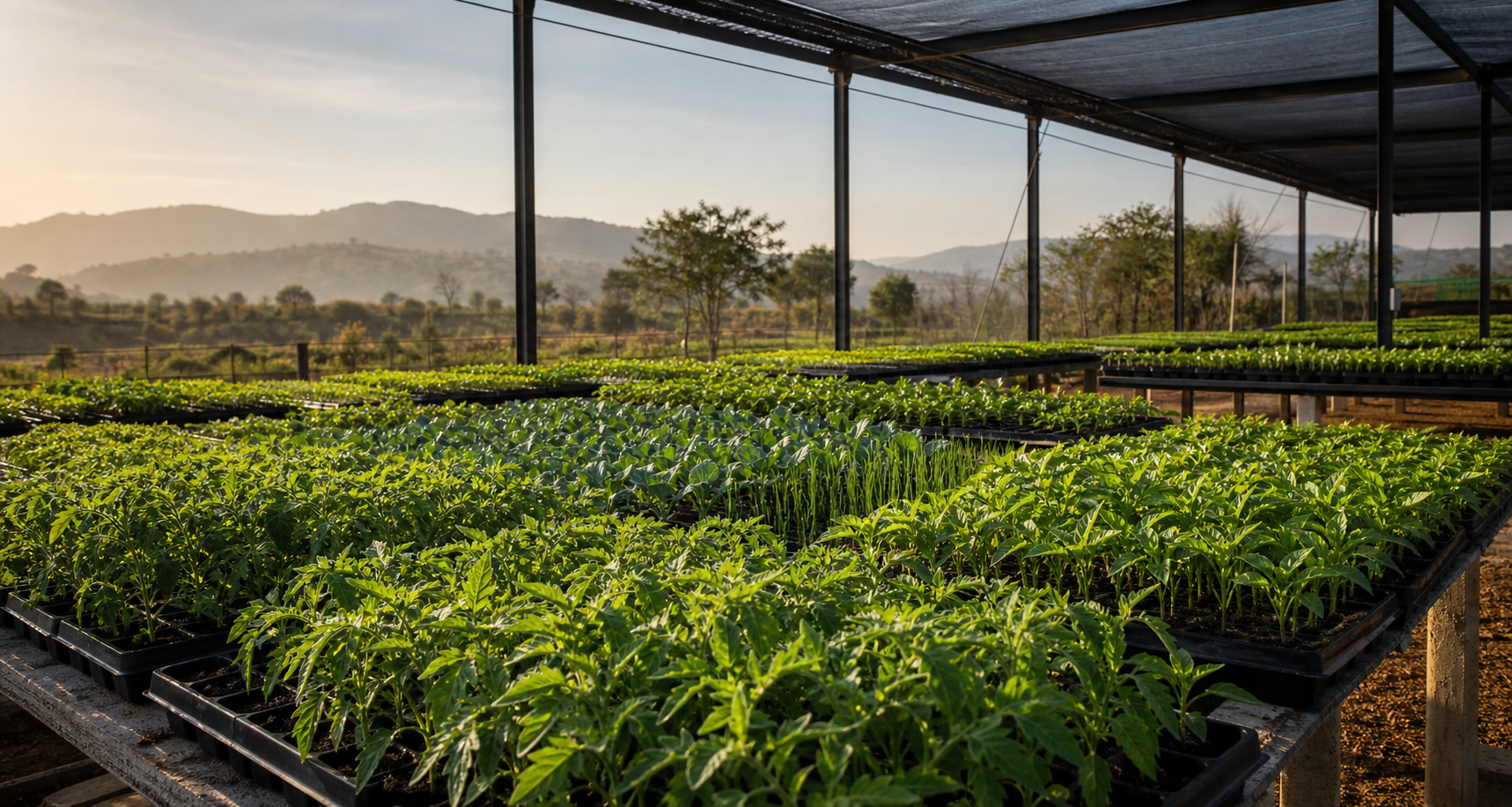
System design, water scheduling, maintenance, and crop-specific irrigation planning.
Pest Management
How to scout fields, identify common pests early, and protect crops with practical IPM.
Soil Health
Soil testing, composting, organic matter, and fertilizer application for stronger yields.
Seasonal planning
| Crop | Best season | Days to harvest | Growing tip |
|---|---|---|---|
| Tomatoes | Year-round | 70-90 days | Requires staking and regular watering. |
| Cabbage | Dry season | 80-100 days | Prefers cooler temperatures. |
| Onions | Dry season | 90-120 days | Needs loose, well-drained soil. |
| Peppers | Rainy season | 60-90 days | Performs best in warm weather. |
| Lettuce | Dry season | 45-60 days | Quick growing with multiple harvests. |
| Carrots | Dry season | 70-80 days | Requires loose, deep soil. |
| Broccoli | Dry season | 60-90 days | Cool-season crop. |
| Herbs | Year-round | 30-60 days | Easy to grow with continuous harvest. |
Ask an agronomist
Submit a service request and Goliath can review your farm details, quote support, and schedule the right specialist.
Book consultationQuick farming tips
Water early morning or late evening to reduce evaporation. Drip systems can cut water use sharply.
Rotate crop families each season to protect soil fertility and reduce pest buildup.
Scout fields regularly. Early action can save a crop before infestation spreads.
Avoid overcrowding so plants get airflow, light, nutrients, and room to mature.
Track planting dates, input costs, pest events, sales, and yields to improve decisions.
Plan spraying, transplanting, and irrigation around forecasts and field conditions.
Get quality seedlings and expert support to apply what you learn.